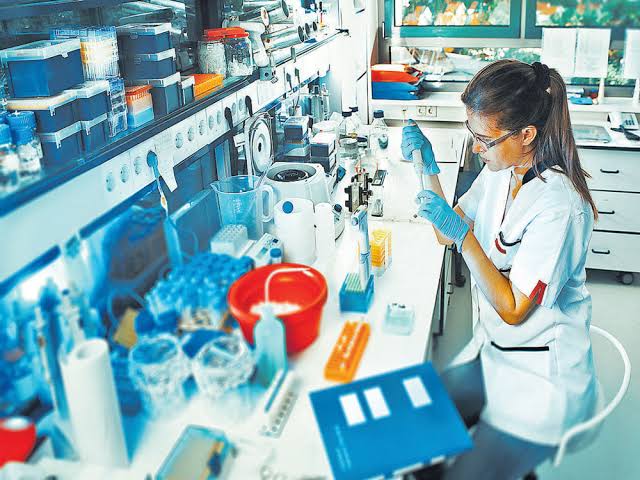
Scope of Biotechnology

Biotechnology is an emerging field where most youngest science students of our nation are interested in. We can’t refuce that biotech is an interesting and vast beyond our imagination.

First of all Biotechnology is a research oriented course were students with strong determination to perform well in academics and also curious to learn new inventions and also open to ideas only can excel in this field.

You may think what is the role of a biotechnologist in this world. Let me explain. During this pandemic ( covid-19 ) many jobs were Shutdown exept hospitals, pharmacies, IT fields etc… But the one who works 24/7 to find vaccines are biotechnologist in various laboratories. Let me stress here that Biotechnologist are not less than doctors because most of the medicines and vaccines are produced by scientists like biotechnologist, biochemists, microbiologist and more. And to find these vaccines needs knowledge more than a doctor right.

Biotechnology is needed in various disciplines like agriculture, medical, pharmaceuticals, food industries, textile industries etc….. Scientist have said that a future without Biotechnology will starve to death.

Now let us see the process of becoming a biotechnologist.

After your high school education with science as your major subject, you can opt for course like Bsc, BTech, BE in Biotechnology. In bachelor’s you will get adequate knowledge on subjects like genetics, molecular biology, cell biology, microbiology, biochemistry, immunology, ecology and more. As soon as completing your bachelor’s you can’t assure for jobs. Because you have learnt only basics of everything as I mentioned earlier that biotechnologist is a vast field beyond Imagination. Therefore see to that you take this course only seeking job after your masters.

Now after completing your bachelor’s in Biotechnology, you can pursue Masters in Biotechnology. That is Msc, Mtech, ME. If you need job just after your masters you can opt for specialised field like microbiology or biochemistry. If you are in idea of doing phd then I recommend you to take Biotechnology in your masters too. Because it opens up for various research topics.

After your Masters you can get jobs in industries, medical laboratories. Or you can give entrance exams like CSIR NET and get lecturership and can work as a proffessor in various colleges and universities. In every sector your salary will increase from basic to advanced only after getting enough experience. You may see all your IT or software engineering friends getting high salary than you. But don’t worry you can get high salary after experiencing in a particular field.

Now if you don’t want job after your masters and if you have patients you can do a high academic degree that is Phd. After which you can be a scientist. It needs patient and persevarance. After your PhD you can be a scientist, research head, research guide or you can open your own laboratories after few formalities.

To get Phd in CSIR Institute or any other well known universities one must clear CSIR NET or DBT or ICMR fellowship exams(any one) to get qualified for Phd program. After completing Phd the future is all yours.

Scope for improvement is defined by acceptance“- Sarthak Pawar

All the best for your future. Choose wisely. Information is wealth.

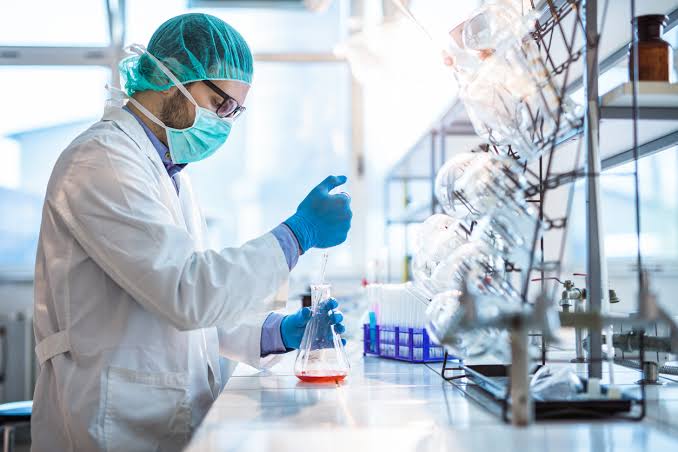
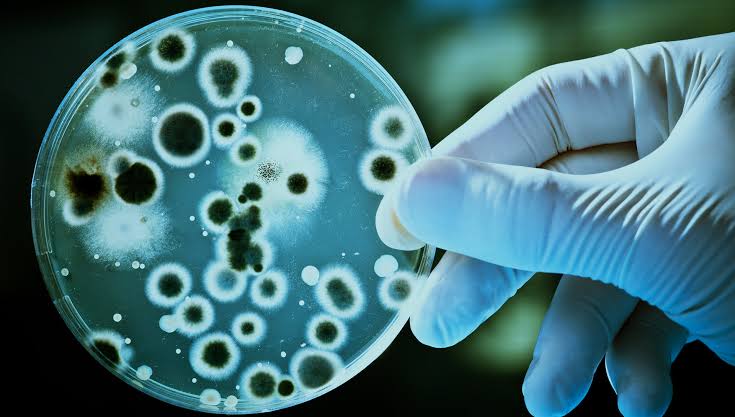
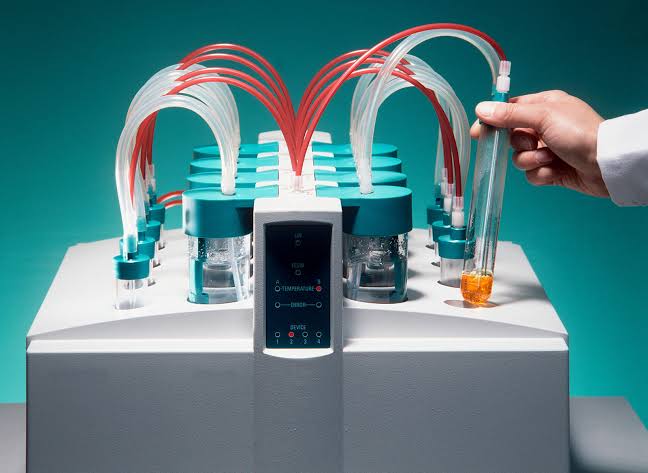
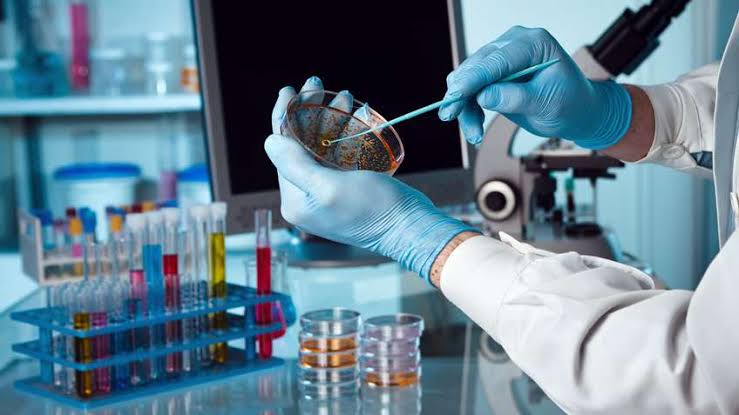
Some pictures of biotechnologist working in laboratories are here for you.
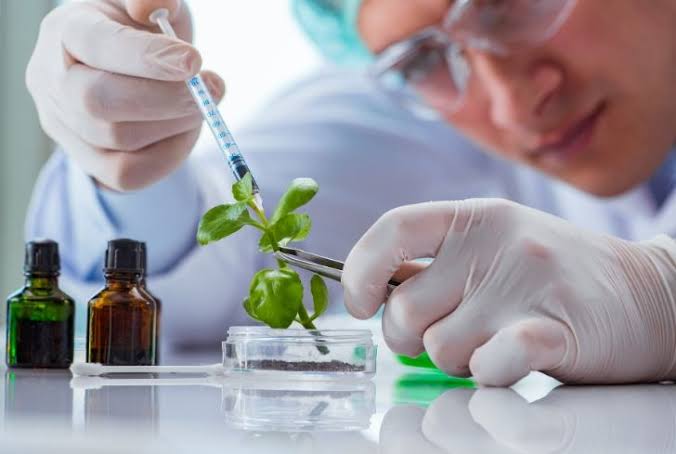
Image source: Google images

Courses to Dwell into after your schooling

Hello Friends

Most of the students are in dilemma to choose their course when comes to college after their schooling.

Many of them don’t know beyond Medicine, Engineering and Law. So this blog is for those who are really passionate towards science.

So here I am to show you a different path, a different world, a different area of life to you. Guess what The Life science.

So, many of you may wondering what these topic says about right. Don’t worry I will clear it step by step for you.

Now what is life science all about? what it is to do with academics? life sciences comprises the branches of science that involve the scientific study of life and organisms – such as microorganismsplants, and animals including human beings. Now in this blog we are going to see branches of life science and its scope.

Life science branches:

  • Biology – study of living organisms with respect to their morphologic and anatomic traits as well as behavior and development[1]
  • Anatomy – study of form and function, in plants, animals, and other organisms, or specifically in humans[2]
  • Astrobiology – the study of the formation and presence of life in the universe[3]
  • Biotechnology – study of combination of both the living organism and technology[4]
  • Biochemistry – study of the chemical reactions required for life to exist and function, usually a focus on the cellular level[5]
  • Bioinformatics – developing of methods or software tools for storing, retrieving, organizing and analyzing biological data to generate useful biological knowledge[6]
  • Biolinguistics – study of the biology and evolution of language.
  • Biological anthropology – the study of humans, non-human primates, and hominids. Also known as physical anthropology.
  • Biological oceanography– the study of the life in the oceans and their interaction with the environment.
  • Biomechanics – the study of the mechanics of living beings[7]
  • Biophysics – study of biological processes by applying the theories and methods that have been traditionally used in the physical sciences[8]
  • Botany – study of plants[9]
  • Cell biology (cytology) – study of the cell as a complete unit, and the molecular and chemical interactions that occur within a living cell[10]
  • Developmental biology – study of the processes through which an organism forms, from zygote to full structure
  • Ecology – study of the interactions of living organisms with one another and with the non-living elements of their environment[11]
  • Ethology – the study of behavior[12]
  • Evolutionary biology – study of the origin and descent of species over time[13]
  • Evolutionary developmental biology – study of the evolution of development including its molecular control
  • Genetics – study of genes and heredity
  • Histology – the study of tissues
  • Immunology – the study of the immune system[14]
  • Microbiology – study of microscopic organisms (microorganisms) and their interactions with other living organisms
  • Molecular biology – study of biology and biological functions at the molecular level, some cross over with biochemistry, genetics and microbiology
  • Neuroscience – study of the nervous system
  • Paleontology – study of prehistoric organisms
  • Pharmacology – the study of drug action
  • Physiology – study of the functioning of living organisms and the organs and parts of living organisms
  • Population biology – study of groups of conspecific organisms
  • Quantum biology – the study of quantum phenomena in organisms
  • Structural biology – a branch of molecular biologybiochemistry, and biophysics concerned with the molecular structure of biological macro-molecules
  • Synthetic biology – the design and construction of new biological entities such as enzymes, genetic circuits and cells, or the redesign of existing biological systems (LY)
  • Systems biology – study of the integration and dependencies of various components within a biological system, with particular focus upon the role of metabolic pathways and cell-signaling strategies in physiology
  • Theoretical biology – the use of abstractions and mathematical models to study biological phenomena
  • Toxicology – the nature, effects, and detection of poisons
  • Virology. – the study of viruses like submicroscopic, parasitic particles of genetic material contained in a protein coat – and virus-like agents for further details visit https://en.wikipedia.org/wiki/List_of_life_sciences there are Applied Life science fields also which you can see in this website and an article also will be posted on it in my upcoming blog/article.

SCOPE:

There will be always a bright future for a Life science graduate. Starting from a teacher, lab tech, professor, quality control manager and ofcource you may also end up being a scientist. Fascinating right. There is a seperate article for the scope of Life science.

Stay Tuned